
How Much Do Garage Cabinets Cost in Arizona?
Adam Bender | April 21, 2026
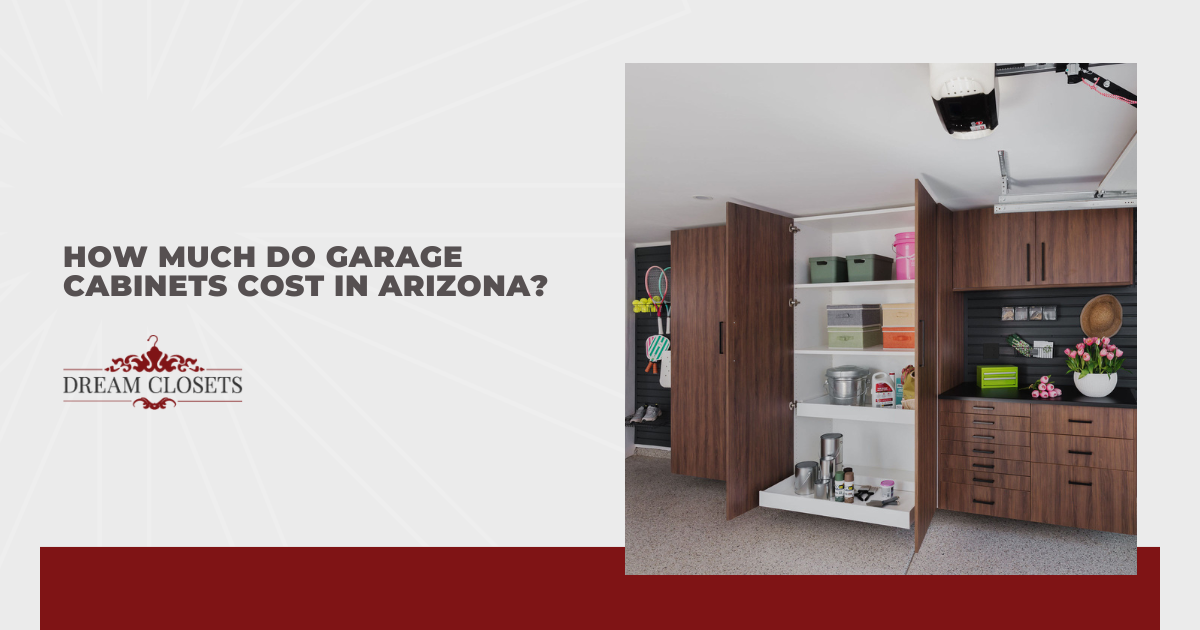
If you've been dreaming about a cleaner, more organized garage, you're in good company. Garage cabinets are one of the most popular home upgrades among Arizona homeowners, and for good reason: They transform a cluttered space into something functional and even impressive. But before you dive in, you're probably wondering what it's actually going to cost. The answer isn't a single number.
Pricing for a garage cabinet project can range from a few hundred dollars on the low end to several thousand on the high end. There's a wide middle ground too, and where you land depends on a handful of key factors. Understanding those factors puts you in a much stronger position to plan your budget, compare quotes, and avoid unexpected costs down the road.
Before we get into the details, I've broken down the key cost factors you need to know:
- Cabinet material
- Cabinet configuration and size
- Stock vs. semi-custom vs. custom cabinets
- Hardware and accessories
- Arizona's climate and its impact on long-term cost
- Professional installation vs. DIY
- Where you buy and what it includes
Each of these factors plays a real role in your final number, so let's walk through all of them.
Cabinet Material
The material your garage cabinets are made from is the single biggest driver of cost. It affects not just the price you pay up front, but also how well your cabinets hold up over time. Some materials are built for heavy-duty use, while others are better suited for lighter storage needs and tighter budgets. Choosing the right one comes down to balancing what you need with what you're willing to spend.
Here's a quick breakdown of your main options:
- Steel: Steel cabinets sit on the higher end of the price spectrum, but they're tough and built to handle a demanding garage environment. They're a solid long-term investment if durability is your priority.
- Wood: Wood cabinets offer a premium look and feel, with pricing that varies depending on the species and finish you choose. They're a popular pick for homeowners who want their garage to feel more like a finished living space.
- MDF (Medium-Density Fiberboard): MDF is the most budget-friendly material on the list, making it an attractive option if you're working with a tighter budget. Just keep in mind that it's the least heat and moisture resistant, which is worth considering in Arizona's climate.
- Polyurethane-Coated: Polyurethane cabinets tend to fall in the mid-to-high price range and are well-regarded for their clean appearance. They're also resistant to impact and moisture, which gives them a practical edge in a busy garage.
Your material choice sets the foundation for everything else in your project, so it's worth taking the time to choose wisely rather than defaulting to the cheapest option available.
Cabinet Configuration and Size
It's simple math: The more cabinets you add, the higher your total cost. Wall-mounted upper cabinets, floor-standing base units, and tall storage towers are all priced differently, and combining multiple types across a large wall or multiple walls adds up fast. The overall layout you choose, whether it's a single-wall setup or a full wraparound system, is one of the first decisions that shapes your budget.
Total linear footage is one of the clearest ways to estimate cost at a glance. A ten-foot single-wall setup is going to look very different on a quote than a three-wall floor-to-ceiling system. Getting a rough sense of how much coverage you need before you start shopping will help you set a realistic budget from the beginning.
Garage storage can be especially valuable for homeowners in 55+ communities, where making the most of available space can make downsizing easier. In established Goodyear communities like
PebbleCreek, garage cabinets can provide organized storage for seasonal items, hobbies, golf gear, and other belongings without taking up living space inside the home.
Stock vs. Semi-Custom vs. Custom Cabinets
When it comes to garage cabinets, you'll find three main product tiers, and the one you choose will have a major impact on your overall cost. Each tier differs in how the cabinets are built, how much flexibility you have in the design, and what kind of quality you can expect. It's not always about going for the most expensive option; it's about finding the tier that fits your space, your goals, and your budget. In my experience working with homeowners, understanding these tiers up front makes the decision a lot easier.
Take a look at what each tier includes:
- Stock Cabinets: Stock cabinets are pre-built in standard sizes, making them the most affordable and most readily available option. They're a good fit if you're working with a straightforward layout and a tight budget.
- Semi-Custom Cabinets: Semi-custom cabinets give you more flexibility in dimensions and finishes without jumping all the way to full custom pricing. They're a strong middle-ground option for homeowners who want a tailored look without a custom price tag.
- Custom Cabinets: Custom cabinets are designed and built specifically for your space, which means a higher price tag but also better materials, a precise fit, and a more polished result. Homeowners who choose this tier tend to be far happier with the outcome years later.
If you're unsure which tier is the right fit for your space, it's always worth talking to a professional who can walk you through your options before you commit to anything.
Hardware and Accessories
Cabinets don't always come fully equipped, and the add-ons can meaningfully change your bottom line. Soft-close hinges, drawer slides, and locking mechanisms are popular upgrades that improve daily functionality but aren't always included in the base price. These smaller features might seem minor individually, but they can add up quickly across a full cabinet system.
Bigger add-ons like integrated workbenches, overhead storage racks, and wall-mounted tool panels are also worth budgeting for if you want your garage to serve multiple purposes. It's easy to get an initial quote and end up 20 to 30 percent higher once you've added the features that actually matter to you. Identifying your must-haves from the start keeps the budget realistic and avoids surprises later.
Arizona's Climate and Its Impact on Long-Term Cost
Arizona's climate isn't just a backdrop; it's a real factor in how your cabinets perform and what they'll cost to maintain over time. Summer temperatures in the Phoenix metro area regularly exceed 110 degrees Fahrenheit, and a garage without climate control can get even hotter. Intense UV exposure, dramatic temperature swings between seasons, and dry air can all degrade certain materials faster than you'd expect.
This is why I always recommend building in the cost of UV-resistant finishes, heat-tolerant hardware, and moisture-resistant coatings from the beginning. These aren't optional upgrades in this kind of climate; they're practical necessities that protect your investment. It's a small price to pay for a garage that holds up the way it should, season after season.
Professional Installation vs. DIY
Installation is one of the most significant variables in the overall cost of a garage cabinet project. Hiring a professional adds to your total, but it also means the job gets done correctly, safely, and without the frustration of figuring it out as you go. If your garage has uneven walls, a sloped floor, or a nonstandard layout, professional installation is often the smarter call.
DIY installation carries its own costs that are easy to underestimate: tools you may need to buy or rent, hardware, and the time it takes to learn the process on the fly. A botched install can also damage your cabinets before they ever get a chance to prove themselves, turning a cost-saving move into an expensive fix. The DIY route works best when your garage layout is straightforward and you already have some hands-on experience under your belt.
Where You Buy and What It Includes
The channel you choose to purchase from affects more than just the price tag. It shapes the entire experience, from how you design your layout to how the cabinets get installed to what kind of support you have afterward. Some channels offer convenience at the cost of customization, while others offer a full-service experience at a higher price point. Knowing the trade-offs ahead of time helps you choose the option that fits your needs, not just your budget.
Each channel comes with its own set of trade-offs worth knowing:
- Big-Box Retailers: Big-box retailers like Home Depot or Costco offer convenience and lower up-front costs. Design guidance, customization options, and after-purchase support are usually limited, though, so you'll be doing more of the legwork yourself.
- Local Arizona Dealers: Local dealers often provide more hands-on service, better product knowledge, and the opportunity to see finishes and materials in person before you commit. They're a great option if you want a more personalized experience without going the full specialty route.
- Specialty Garage Organization Companies: Specialty companies typically bundle design consultation, professional installation, and warranty coverage all into one package. When you factor in everything that's included, the value often justifies the higher up-front cost.
Whichever channel you go with, make sure you're comparing the full value of what's included and not just the sticker price, because the cheapest quote doesn't always end up being the most cost-effective choice.
Conclusion
Garage cabinets are a worthwhile investment for any Arizona homeowner, but getting to an accurate budget means understanding all the moving parts. Depending on your choices, costs can range from a few hundred dollars for a basic stock setup to several thousand for a fully custom installation. Whatever your budget looks like, I always tell homeowners the same thing: The best decision is an informed one, and now you've got everything you need to make it.

QUICK LINKS
CONTACT INFO
Dream Closets LLC
404 E Wigwam Blvd,
Litchfield Park, AZ 85340
Phone
SCHEDULE A CONSULTATION
Contact us, and we will come out and discuss your project free of charge.